


What the Updated EAT-Lancet Commission Means for Nutrition Professionals
Food choices influence far more than individual nutrient intake. They shape long term health outcomes, environmental stability, and social equity. The updated EAT-Lancet Commission on healthy, sustainable, and just food systems highlights why food systems must be considered a core public health issue and why nutrition professionals are essential to this work.
Since the original Commission was released in 2019, the global context has shifted significantly. Climate related disruptions, rising food costs, widening inequities, and increasing rates of diet-related chronic disease have intensified pressure on food systems worldwide. The 2025 update strengthens the scientific foundation linking dietary patterns with human health, planetary limits, and social justice while expanding the role of nutrition professionals in driving meaningful change.
Dietary Patterns That Support Human and Planetary Health
At the center of the Commission’s recommendations is the planetary health diet, a flexible dietary pattern designed to promote health while reducing strain on natural systems. Rather than prescribing a single way of eating, the planetary health diet outlines ranges for food groups that can be adapted across cultures, regions, and food traditions.
The dietary pattern emphasizes vegetables, fruits, whole grains, legumes, nuts, and plant-based oils while allowing moderate amounts of animal foods such as dairy, fish, eggs, and poultry. Added sugars, salt, and foods high in saturated fat are limited. Updated population level studies continue to show that eating patterns aligned with these principles are associated with lower risk of premature death and reduced incidence of cardiovascular disease, type 2 diabetes, and several cancers.
The Commission estimates that widespread adoption of healthier dietary patterns could prevent millions of deaths globally each year. For nutrition professionals, this reinforces the importance of focusing on overall dietary patterns rather than isolating single foods or nutrients.
Moving Beyond Nutrients to Whole Diet Quality
One of the most relevant messages for nutrition professionals is the continued shift away from nutrition guidance that focuses on individual nutrients rather than overall dietary patterns. The Commission emphasizes foods and dietary patterns because they more accurately reflect how people eat and how diets influence long-term health.
This approach aligns with contemporary nutrition counseling, which prioritizes balance, variety, and moderation while recognizing that nutrient targets alone do not fully capture health outcomes. It also acknowledges that most evidence linking diet and disease is strongest when foods are consumed in whole or minimally processed forms.
Food Systems and Environmental Limits
The Commission expanded its environmental analysis to examine food systems in relation to all planetary boundaries that regulate Earth system stability. The findings are clear. Food production and consumption patterns are among the largest contributors to environmental degradation, including land conversion, biodiversity loss, freshwater depletion, nutrient pollution, and greenhouse gas emissions.
Even with progress in energy systems, current food systems alone would continue to push the planet beyond safe environmental thresholds. This underscores that dietary guidance is not only a clinical issue but also a climate and sustainability strategy. Nutrition recommendations that support plant forward dietary patterns can play a meaningful role in reducing environmental pressure while supporting health.
Equity and Justice as Nutrition Priorities
A key expansion of the 2025 revision, is its focus on justice within food systems. The analysis highlights profound inequities in both access to healthy diets and responsibility for environmental harm. Large segments of the global population lack reliable access to nutritious food, safe working conditions, and food systems that support health.
At the same time, diets consumed by higher income populations contribute disproportionately to environmental damage. These findings position food system reform as a matter of human rights, not simply personal choice. For nutrition professionals, this reinforces the need to consider affordability, accessibility, and cultural relevance when promoting healthier eating patterns.
The Role of Nutrition Professionals and Registered Dietitian Nutritionists
The Commission emphasizes that transforming food systems will require coordinated efforts across healthcare, agriculture, policy, and food environments. Nutrition professionals and Registered Dietitian Nutritionists (RDNs) are uniquely positioned at this intersection. RDNs translate complex nutrition science into practical guidance, shape food environments in healthcare and community settings, and advocate for policies that support health and equity.
Opportunities include supporting culturally relevant plant forward meals, promoting food environments that make healthy choices easier choices, and protecting traditional dietary patterns that already align with planetary health principles. Culinary skills, menu planning, and food service innovation are highlighted as essential tools for making healthy diets appealing and sustainable.
Looking Ahead
The EAT–Lancet Commission makes a compelling case that food systems are central to the future of human and planetary health. The planetary health diet offers evidence-based boundaries rather than rigid rules, allowing flexibility while guiding progress toward healthier and more sustainable eating patterns.
Nutrition professionals have a critical role in shaping this transition through education, counseling, foodservice leadership, and advocacy. Nutrition professionals are well positioned to help ensure that healthier diets are not only scientifically sound but also accessible, culturally meaningful, and realistic for the populations they serve.
Call to Action:
Read the full EAT–Lancet Commission to explore the evidence in depth and consider how its findings can inform your nutrition practice, education efforts, and policy advocacy.
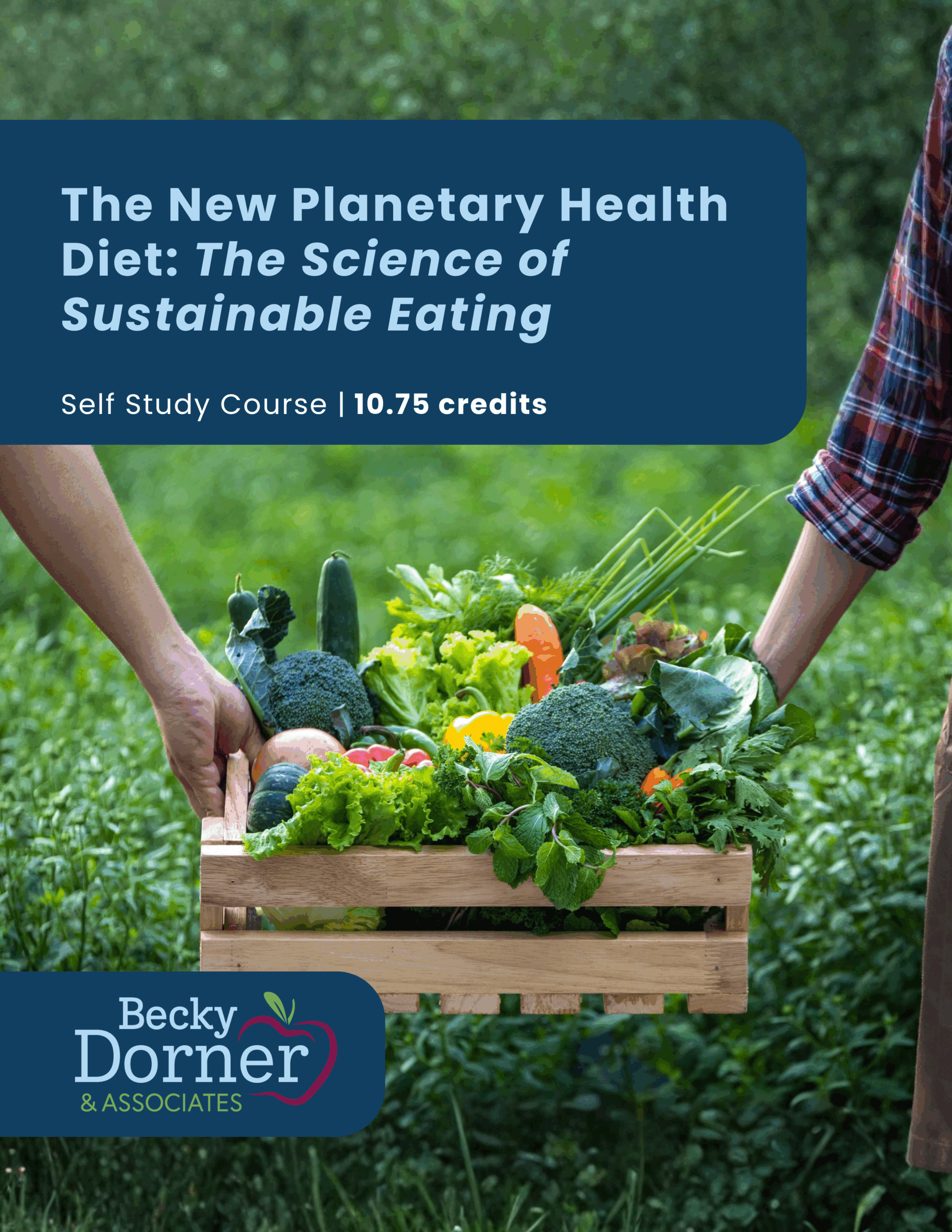
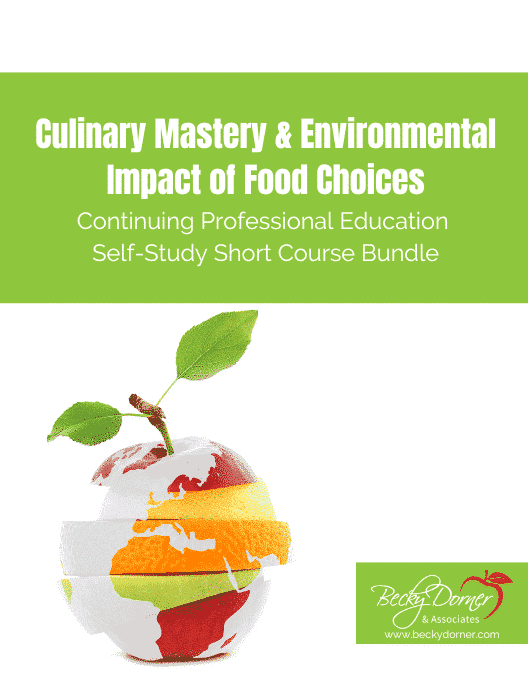
Interested in learning more? Deepen your expertise with our course The New Planetary Health Diet: The Science of Sustainable Eating, which explores the latest science behind sustainable dietary patterns and their role in human and planetary health, and Plate to Planet: Impact of Food Choices on the Planet, designed to help registered dietitian nutritionists apply food systems and sustainability concepts in real world practice while earning 8 CPEs.
Reference
Rockström, Johan et al. (2025). The EAT–Lancet Commission on healthy, sustainable, and just food systems. The Lancet, 406(10512), 1625 – 1700.














Connect With Us