


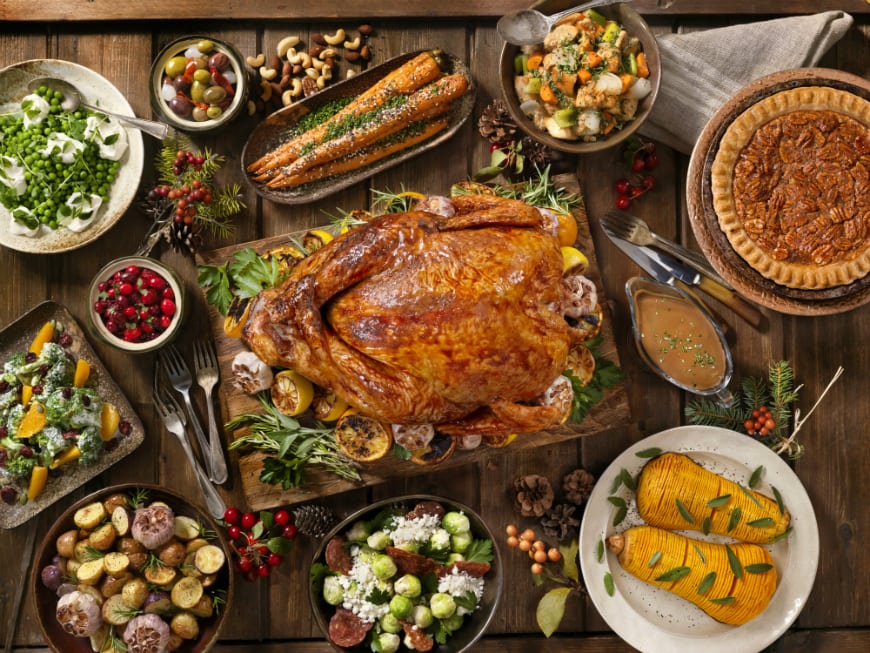
Most of us have a food that instantly brings us comfort and memories. Maybe it’s your grandmother’s famous lasagna, a warm bowl of homemade chicken and dumplings, or a dish that always appeared at family gatherings. Just the smell or taste can transport you back to a particular moment and remind you of the people, places, and traditions that made it special.
Food is about much more than calories and nutrients. It’s part of our identity, our culture, and our personal history. For older adults, these connections can become especially meaningful. As appetite, cognitive function, independence, and living environments change, familiar foods may offer comfort and connection, particularly for individuals who have limited control over what is served at mealtimes.
But could incorporating familiar foods into nutrition care also help support food and fluid intake and quality of life?
What Is Food Nostalgia, and Why Does It Matter for Healthy Aging?
Food nostalgia refers to the memories and emotions associated with foods from our past. These connections often develop through childhood experiences, family traditions, cultural celebrations, and everyday meals.
How can food nostalgia support healthy aging?
Familiar foods may promote comfort, reinforce cultural identity, and make mealtimes more meaningful. They may also encourage food acceptance and engagement, particularly among older adults experiencing cognitive decline or living in long-term care settings.
Direct evidence that food nostalgia improves nutritional status remains limited. Research on autobiographical memory suggests that smells can be especially powerful triggers of emotionally meaningful memories (1). A familiar aroma may spark a memory from childhood of being in the kitchen, cooking or baking with a parent or grandparent, a unique family tradition or holiday celebration, or a beloved family member who prepared a favorite dish.
Understanding these personal food histories can provide valuable insight into what makes meals appealing and meaningful to an individual.
Can Familiar Foods Improve Nutrition and Mealtime Experiences?
Maintaining adequate nutritional intake can become increasingly challenging with age and chronic disease. Changes in appetite, taste and smell, chewing or swallowing difficulties, medications, and cognitive impairment can all affect food intake.
Providing nutritionally balanced meals is essential, but calculating nutritional adequacy on paper does not necessarily translate into adequate intake for every individual in your care. Even the most nutritious meal provides little benefit if it goes uneaten.
For older adults experiencing cognitive decline, familiar foods and mealtime routines may offer opportunities for comfort, recognition, and engagement. Recognizable flavors and preferred dishes may also help make meals more appealing, particularly when individuals are adjusting to unfamiliar environments.
A 2025 systematic review and meta-analysis of mealtime interventions for people living with dementia found that certain food and dining environment modifications improved nutritional intake, though more high quality research is needed to confirm these findings (2). While this research does not establish that food nostalgia itself improves nutritional outcomes, it highlights the potential value of individualized mealtime approaches.
Clinical Consideration: When assessing a person with poor food and fluid intake, consider whether unfamiliar foods, limited menu choices, or changes in longstanding eating habits may be contributing factors. For individuals with cognitive impairment, family members and caregivers may provide valuable insight into food and cultural preferences and mealtime routines.
Bringing Family Recipes Back to the Table: Food Nostalgia and Person-Centered Care
Moving into a long-term care community can involve significant changes in independence, routines, and food choices. Residents who once selected their own groceries, prepared family recipes, and determined their mealtimes may suddenly depend on an institutional menu.
Culturally appropriate nutrition care goes beyond accommodating dietary restrictions or offering an occasional themed meal. Food traditions, religious practices, family customs, and individual preferences can all influence eating behaviors and nutritional well-being.
But what might this look like in practice?
A story featured in TODAY highlights how food nostalgia can be incorporated into long-term care dining experiences. Chef Craig Bowerson invited nursing home residents to share their favorite family recipes, receiving several hundred submissions in the first week alone. He incorporated these recipes into the menu, bringing familiar foods and personal traditions back to the table. According to Bowerson, meal dissatisfaction decreased from 75% to nearly 0% after the program was introduced. (3)
Although this story does not establish improved nutritional outcomes, it demonstrates how honoring personal food histories and involving residents in menu planning can create more meaningful dining experiences. Seeing a treasured family recipe on the menu may evoke memories of cooking with loved ones, celebrating holidays, or sharing meals around the family table.
For RDNs, incorporating questions about favorite meals, family recipes, and cultural food traditions into food preference forms and nutrition assessments can be a simple starting point for more individualized care. Sometimes, the most meaningful menu improvements begin with a conversation.
Explore Food Nostalgia and Cultural Connection
How can nutrition professionals incorporate familiar foods and cultural traditions into care for older adults?
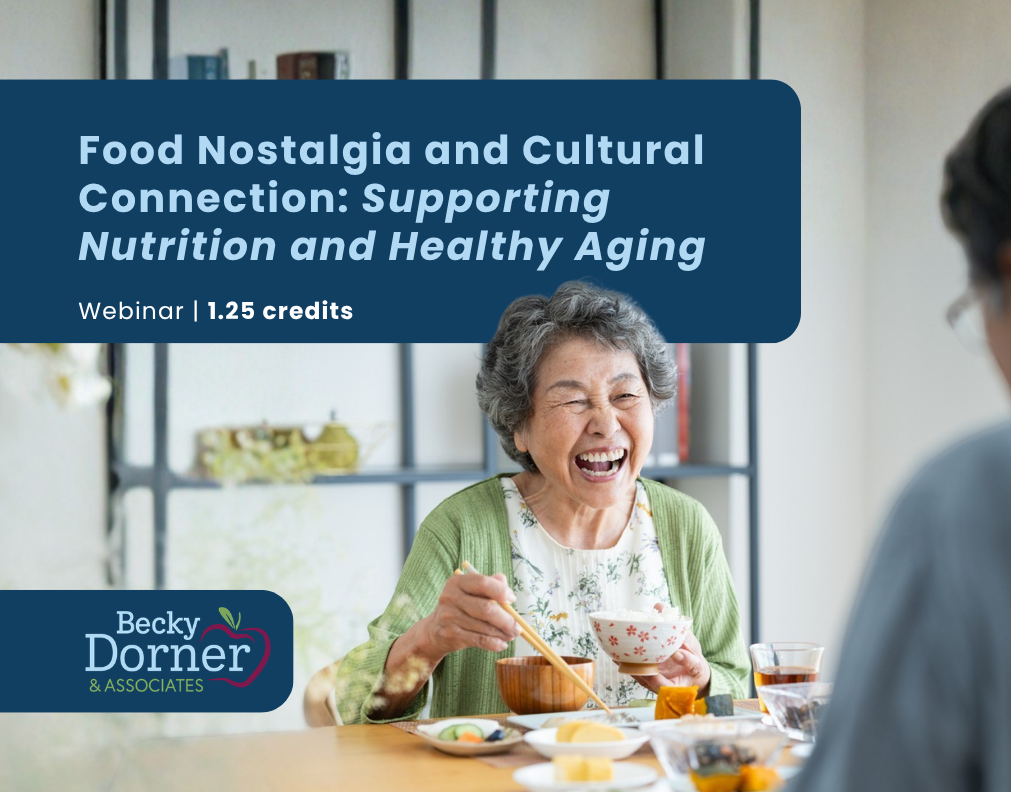
Join our December webinar, Food Nostalgia and Cultural Connection: Supporting Nutrition and Healthy Aging, to explore the role of food nostalgia in supporting older adults, particularly those experiencing cognitive decline or those living in healthcare settings.
Five Questions to Make Nutrition Care More Personal
Nutrition assessments routinely consider appetite, food intake, weight history, medical conditions, and nutrient needs. But understanding a patient’s personal food history can provide additional context.
Consider incorporating these five questions into your nutrition assessment:
- What foods did you enjoy growing up?
- Are there family recipes or cultural dishes that are especially meaningful to you?
- What foods make you feel comfortable or remind you of home?
- Are there foods or mealtime traditions you would like to continue?
- Are there familiar foods you miss eating?
These conversations may reveal preferences that would otherwise be overlooked.
Clinical Consideration: Food nostalgia is highly individualized. Cultural background alone should never be used to assume someone’s preferences, and not every traditional food evokes positive memories. When incorporating preferred foods, consider allergies, therapeutic diet orders, swallowing safety, gastrointestinal tolerance, and other clinical needs.
The goal is not to replace evidence-based nutrition interventions with nostalgia, but to recognize that personal history and cultural identity can be valuable components of individualized nutrition care.
Interested in learning more about how culture influences eating patterns and nutrition counseling? Explore our Exploring Cultural Food Practices to Improve Nutrition Care self-study course.
More Than a Meal
Food has the power to connect us to our memories, our cultures, and the people who have shaped our lives. By recognizing these connections, nutrition professionals can help create more meaningful, individualized dining experiences that support comfort, dignity, and quality of life.
Sometimes, supporting healthy aging begins with something as simple as asking, “What foods remind you of home?”
Continue Learning: Explore our Healthy Aging: Lifestyle Nutrition for Disease Prevention & Longevity self-study course to expand your knowledge of nutrition strategies that support healthy aging.
References
- Bobei, O.I., Cîrneci, D. & Podina, I.R. (2026). Is the Proust phenomenon fact or fiction? A systematic review and meta-analysis of odor-evoked autobiographical memory. Psychonomic Bulletin & Review, 33(264). https://doi.org/10.3758/s13423-026-03025-z
- Liu W, Lee K, Suh H, Li J. (2025). Optimizing mealtime care and outcomes for people with dementia and their caregivers: A systematic review and meta-analysis of intervention studies. Alzheimer’s & Dementia, 21(3). doi: 10.1002/alz.14522.
- Lamour, J. (2026). Nursing home chef got tons of complaints about food. He asked 1 simple question that changed everything. TODAY. https://www.today.com/food/people/kansas-nursing-home-chef-creates-menu-of-resident-family-recipes-rcna591030












Connect With Us