

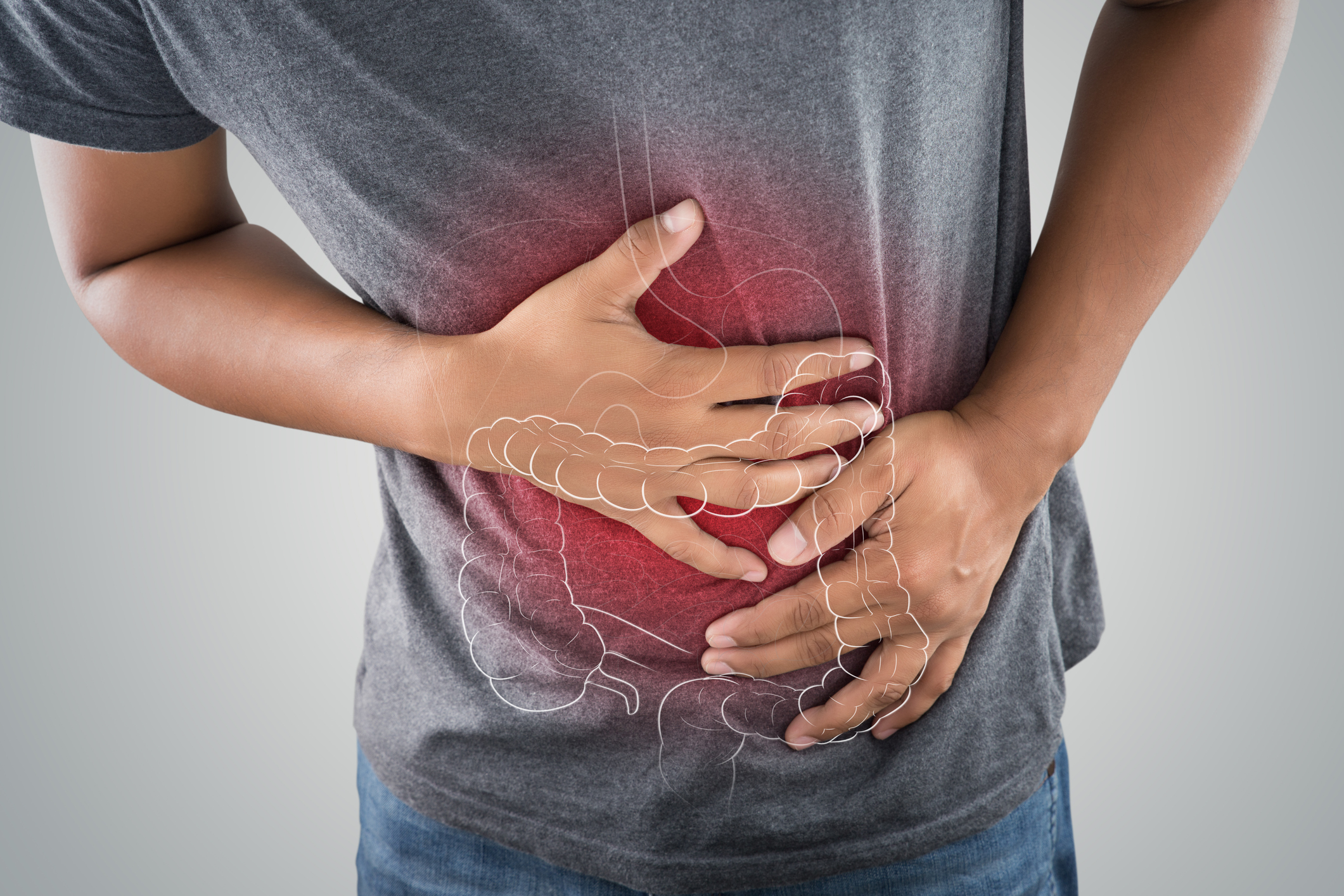
As confirmed cases of cyclosporiasis surge across the United States, food and nutrition professionals are fielding more questions about food safety, fresh produce, and protecting patients who are immunocompromised. To provide evidence-based guidance within your scope of practice, you need to understand what Cyclospora is, recognize concerns that warrant medical follow-up, and support effective food safety programs.
Here is what you need to know about the 2026 outbreak, the science behind cyclosporiasis, and practical strategies for patients, residents, and food and nutrition teams.
Quick Facts About Cyclospora
| Question | Answer |
| What is Cyclospora? |
A microscopic intestinal parasite (Cyclospora cayetanensis) that causes cyclosporiasis. |
| How is it spread? |
Through food or water contaminated with the parasite, most often fresh produce such as greens, berries, and herbs. |
| Is it contagious? |
Not directly from person to person. The parasite needs time in the environment to become infectious (1). |
| Symptoms |
Watery, sometimes explosive diarrhea, cramping, bloating, nausea, fatigue, loss of appetite, weight loss, occasional low-grade fever. |
| Incubation period |
About 1 week after exposure, with a range of 2–14 days (1). |
| Treatment |
Prescription antibiotics, typically trimethoprim-sulfamethoxazole.
|
| Highest-risk groups | Older adults, individuals who are immunocompromised, and anyone with prolonged diarrhea or dehydration. |
|
Does washing produce remove it? |
Not reliably. Washing reduces contamination but does not eliminate the parasite. |
A Fast-Moving Outbreak
The 2026 cyclosporiasis season has been unusual in both its size and complexity.
As of August 3, 2026, public health officials had reported 11,234 cases, 193 hospitalizations, and 2 deaths associated with the ongoing outbreak (2). The two deaths occurred in individuals with significant underlying health conditions.
CDC, FDA, and state public health officials continue to investigate multiple Cyclospora outbreaks. Epidemiologic and traceback evidence indicates that iceberg lettuce supplied by Taylor Farms de Mexico was contaminated with Cyclospora and caused illnesses in a 9-state multistate outbreak (3). At the same time, the CDC is investigating additional Cyclospora outbreaks and sporadic illnesses across the country that are not related to the Taylor Farms outbreak, underscoring the complexity of the 2026 season (3).
Because the investigation is evolving, case counts and potential food sources may change as public health agencies collect and analyze additional information.
What Is Cyclospora?
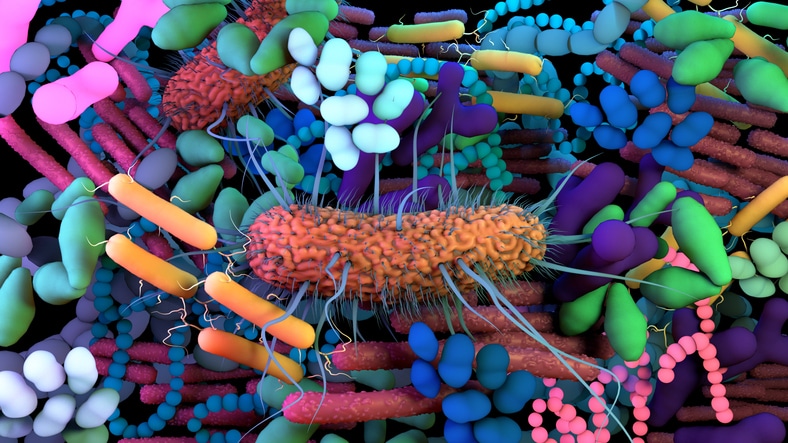
Cyclospora cayetanensis is a microscopic parasite that infects the small intestine and causes cyclosporiasis.
Unlike bacterial pathogens such as Salmonella or E. coli, Cyclospora has an unusual life cycle. Oocysts shed in the stool of an infected person but are not immediately infectious. They must remain in the environment for days or weeks before they mature and become capable of infecting another person (1).
For this reason, direct person-to-person transmission is considered unlikely. Infection typically occurs after a person consumes food or water contaminated with mature, infectious oocysts.
Recognizing the Symptoms
Symptoms usually appear about a week after exposure, though onset can range from two days to more than two weeks. The most frequently reported symptoms include:
- Frequent, watery (and sometimes described as explosive) diarrhea
- Loss of appetite
- Unintended weight loss
- Abdominal cramping and bloating
- Nausea and fatigue
- Occasional low-grade fever
A hallmark of cyclosporiasis is that symptoms can wax and wane, appearing to improve before returning if the infection isn’t treated, which can prolong illness for weeks or even months.
Severe or prolonged diarrhea may lead to dehydration and significant weight loss. These complications can be especially concerning for the very young and old, people who are immunocompromised, and individuals with underlying conditions that increase their vulnerability to poor fluid or nutrition status.
How Is Cyclosporiasis Diagnosed?
Cyclosporiasis cannot be diagnosed based on symptoms alone. Its gastrointestinal symptoms overlap with those of many other foodborne and infectious illnesses.
Healthcare providers generally diagnose cyclosporiasis through stool testing. Because Cyclospora may not be included in routine stool examinations or gastrointestinal testing panels, clinicians may need to request testing specifically for cyclospora. In some cases, more than one stool specimen may be needed (1,4).
Why This Matters for Food and Nutrition Professionals
Food and nutrition professionals often serve as trusted communicators during foodborne illness outbreaks. Patients often have questions about whether they should avoid fresh produce altogether, how to safely wash fruits and vegetables, or whether certain populations should take additional precautions. Providing clear, evidence-based guidance can help reduce unnecessary fear while reinforcing practical food safety behaviors.
Across practice settings, you can help by:
- Reinforcing safe produce handling with patients and food and nutrition staff
- Flagging risk for patients who are very young or older and immunocompromised and may need extra precautions
- Partnering with infection prevention and food and nutrition teams on menu review during active recalls
- Watching for prolonged diarrhea, dehydration, or unexplained weight loss in patients or residents and promptly involving the interdisciplinary care team
- Keeping food safety programs aligned with current FDA Food Code guidance
These responsibilities are particularly relevant in hospitals, post-acute and long-term care settings, where patients and residents may be more susceptible to complications from prolonged gastrointestinal illness.
Can Washing Produce Prevent Cyclosporiasis?
Unfortunately, not reliably. Because Cyclospora oocysts can adhere tightly to produce surfaces, rinsing reduces dirt and some organisms but doesn’t consistently remove the parasite. Standard produce sanitizers and chlorine washes aren’t dependable against it either.
Consumers and food and nutrition employees should continue to:
- Wash their hands before and after handling fresh produce
- Rinse fruits and vegetables thoroughly under clean running water
- Scrub firm produce, such as melons and cucumbers, with a clean produce brush
- Remove outer layers of fruits and vegetables as well as any damaged or bruised areas
- Refrigerate cut, peeled, or cooked produce promptly
- Prevent cross-contamination between produce and other foods
- Consider using produce that can be cooked to a temperature of 158 degrees Fahrenheit to kill the parasite. This is the safest option since Cyclospora is resistant to routine washing and chemical disinfection (5).
- Consider fruits that can be peeled such as bananas, oranges, apples, etc.
It is important to explain that these steps reduce food safety risks generally but cannot guarantee the complete removal of Cyclospora.
Risk-Reduction Strategies for Healthcare Foodservice
Healthcare foodservice departments should emphasize controls throughout purchasing, receiving, storage, preparation, and service.
Recommended practices (5):
- Workers with symptoms of vomiting or diarrhea should not handle food
- Maintain supplier and purchasing records
- Practice safe food handling and preparation procedures
- Follow FDA Food Code requirements for receiving and storage
- Purchase food from approved, reputable, and traceable suppliers
- Inspect produce at delivery and reject products that do not meet quality or safety standards
- Reinforce appropriate hand hygiene and food service employee health policies
- Prevent cross-contamination during storage and preparation including washing and sanitizing utensils, equipment, and surfaces before and after handling food
- Follow manufacturer instructions for products sold as ready-to-eat or prewashed
- Monitor CDC, FDA, and state public health updates
- Act promptly when a recall or public health advisory identifies a specific product
Facilities should avoid removing broad categories of produce from menus unless public health officials identify a specific product or supplier, or the facility’s individualized risk assessment supports additional precautions.
Foods Historically Linked to Cyclospora
Past U.S. outbreaks have involved a range of fresh produce, including (6):
- Lettuce and salad mixes and kits
- Cilantro
- Basil
- Raspberries
- Snow peas
- Green onions (scallions)
These foods are not inherently unsafe. Contamination is the exception, not the rule, and a previous association with an outbreak does not mean that every product in that category poses a risk.
Frequently Asked Questions
Is Cyclospora contagious? Not directly. Unlike many foodborne pathogens, Cyclospora needs time outside the body before it can infect someone else.
What foods are most often linked to Cyclospora? Historically, fresh produce such as leafy greens, herbs, berries, peas, and cilantro.
Can washing produce remove Cyclospora? Not reliably. Washing is still recommended as good practice but shouldn’t be treated as fully protective.
Who’s at highest risk for complications? The very young and older adults, immunocompromised individuals, and anyone with prolonged diarrhea or signs of dehydration.
How is it diagnosed? Through specialized stool testing so, it’s often missed on routine ova and parasite panels unless specifically requested.
Is it treatable? Yes. Although cyclosporiasis may eventually resolve without treatment, symptoms can be prolonged. The recommended treatment for most symptomatic patients is prescription antibiotics, typically trimethoprim-sulfamethoxazole.
What should healthcare food and nutrition departments do right now? Monitor CDC and FDA outbreak updates closely, purchase from approved and traceable suppliers, reinforce hygiene and produce-handling procedures, and make sure food safety protocols reflect the current FDA Food Code.
How can you keep up with the latest information on the outbreak?
- CDC: https://www.cdc.gov/cyclosporiasis
- FDA Food Safety: https://www.fda.gov/food
- Your State Department of Health
Continue Your Food Safety Education
If food safety is part of your scope of practice, now is a timely moment to strengthen your knowledge of the FDA Food Code. FDA Food Code 2022: Putting Standards into Practice, a self-study course, walks through key updates and practical strategies to help nutrition professionals reduce foodborne illness risk in healthcare settings.
Learn more about FDA Food Code 2022.
References
- Centers for Disease Control and Prevention. (2026). Clinical overview of Cyclosporiasis. https://www.cdc.gov/cyclosporiasis/hcp/clinical-overview/index.html
- Michigan Health & Human Services. (2026). Infectious disease outbreaks. https://www.michigan.gov/mdhhs/keep-mi-healthy/infectious-diseases/infectious-disease-outbreaks
- Centers for Disease Control and Prevention. (2026). Investigation update: Cyclospora outbreak, July 2026. https://www.cdc.gov/cyclosporiasis/outbreaks/07-26/investigation.html?ref=foodsafetynews.com
- Centers for Disease Control and Prevention. (2026). Domestically acquired cyclosporiasis cases in multiple U.S. states, 2026. https://www.cdc.gov/han/php/notices/han00531.html
- S. Food & Drug Administration. (2026). Cyclospora. Content current as of 7/16/26. https://www.fda.gov/food/foodborne-pathogens/cyclospora
- Michigan Health & Human Services. (2026). MDHHS updates recommendations for cyclosporiasis prevention. https://www.michigan.gov/mdhhs/inside-mdhhs/newsroom/2026/07/13/cyclo-3














Connect With Us