
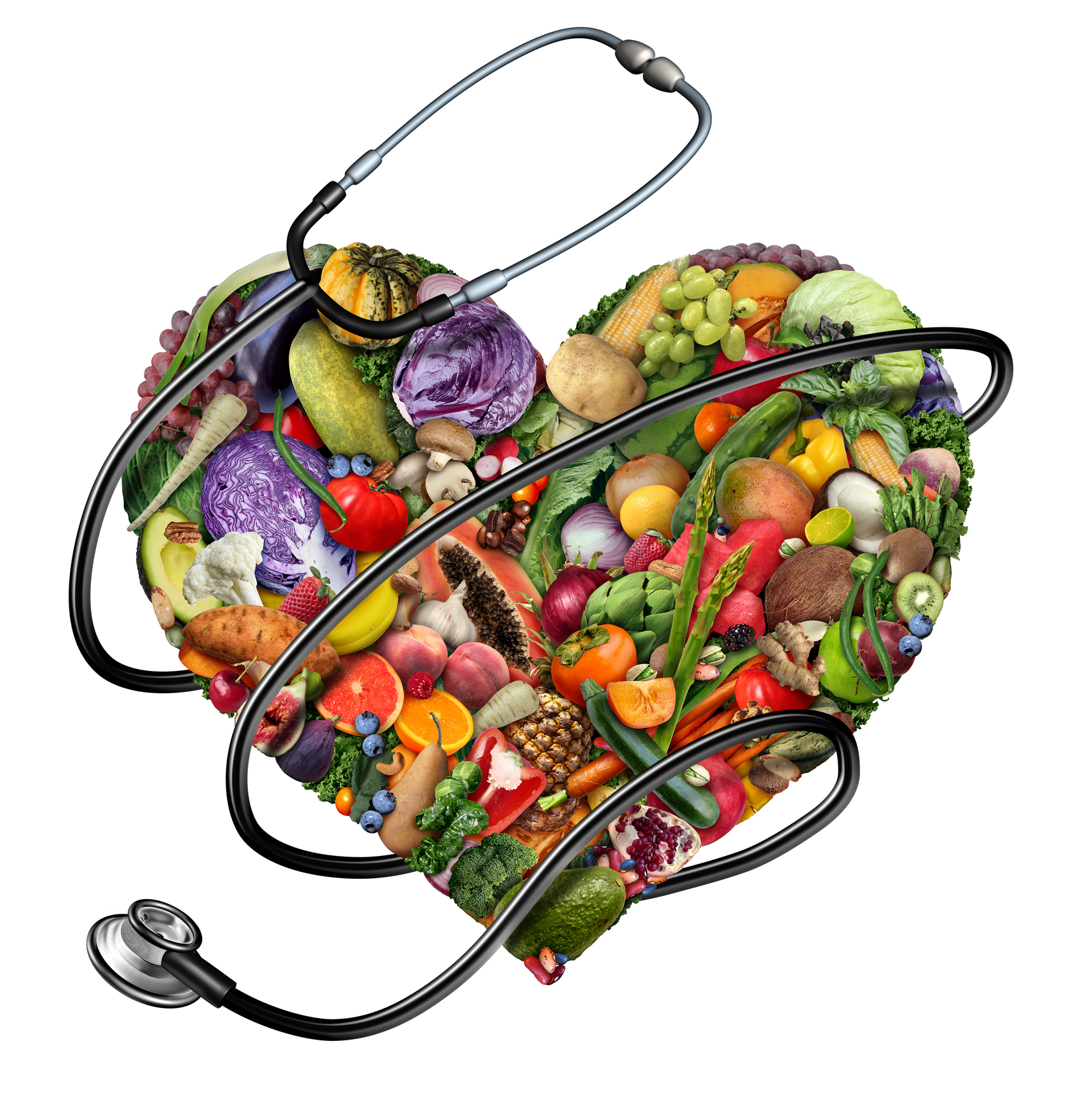
What people eat has a direct impact on health outcomes, yet changing food consumption patterns in the United States create growing challenges for chronic disease prevention and management. In 2024, food-away-from-home expenditures accounted for 58.9% of total food expenditures, a record high, reflecting a continued shift toward meals prepared outside the home (1). At the same time, chronic diseases remain highly prevalent. Data from the 2018 National Health Interview Survey indicate that more than half (51.8%) of U.S. adults have at least one diagnosed chronic condition, and 27.2% live with multiple chronic conditions, including diabetes, coronary heart disease, hypertension, and chronic obstructive pulmonary disease (2).
As eating patterns evolve, many individuals face practical barriers to implementing nutrition recommendations. Limited time for meal preparation, varying levels of cooking confidence, competing personal and professional demands, and reliance on convenience foods all influence dietary choices. Even when individuals understand what constitutes a healthful eating pattern, translating that knowledge into daily practice can be challenging.
Together, these trends underscore a critical reality: nutrition guidance must be practical, skill-based, and adaptable to how and where people actually eat. Registered Dietitian Nutritionists (RDNs) are uniquely positioned to address these barriers by integrating evidence-based nutrition recommendations with real-world food skills that build confidence and support long-term behavior change. An approach gaining significant momentum—and one that aligns closely with the expanding and evolving role of the RDN—is culinary medicine.
What is Culinary Medicine?
Culinary medicine is an evidence-based approach that combines nutrition science with the practical skills of cooking and food preparation to promote health and manage disease. Rather than focusing solely on what people should eat, culinary medicine emphasizes how to plan, prepare, and enjoy foods in ways that align with individual health needs, cultural preferences, and daily realities.
Key elements of culinary medicine include:
- Hands-on cooking experiences or demonstrations
- Skill-building around meal planning, shopping, and food preparation
- Application of nutrition recommendations using real foods and meals
- Attention to flavor, enjoyment, culture, and accessibility
By grounding nutrition guidance in practical, engaging experiences, culinary medicine helps bridge the gap between knowledge and action, an essential step for long-term adherence.
How RDNs Can Apply Culinary Medicine in Practice
RDNs are particularly well positioned to integrate culinary medicine into practice because of their expertise in both nutrition science and behavior change. Culinary medicine can be applied across a wide range of settings, including clinical care, community programs, retail and foodservice environments, education, and wellness initiatives.
In practice, culinary medicine may involve:
- Teaching kitchen programs or cooking classes for individuals or groups
- Culinary demonstrations that reinforce medical nutrition therapy concepts
- Recipe modification and menu planning tailored to specific health conditions
- Experiential learning activities that build confidence and food skills
- Incorporating cultural and personal food preferences into nutrition education
For clients managing chronic conditions such as diabetes, cardiovascular disease, or gastrointestinal disorders, culinary medicine allows RDNs to move beyond abstract recommendations and demonstrate how nutrition guidance can be implemented in everyday meals. This hands-on approach can increase motivation, improve self-efficacy, and support sustained behavior change.
Expanding Practice Beyond Traditional Settings
Culinary medicine also supports the expanding roles of RDNs beyond traditional clinical environments. Increasingly, RDNs are working in community health programs, retail nutrition, foodservice operations, teaching kitchens, and interdisciplinary wellness initiatives—settings where food decisions actually occur.
In these environments, culinary medicine offers a flexible framework for:
- Engaging diverse populations
- Addressing barriers such as food access, time, skills, and confidence
- Promoting culturally relevant and enjoyable eating patterns
- Aligning nutrition education with sustainability and food systems awareness
How New Standards Support Culinary Medicine
The 2026 Scope and Standards of Practice for Registered Dietitian Nutritionists in Food and Culinary (Standards) reinforce and validate this evolution in practice. For the first time, there is a formal, profession-wide framework that explicitly recognizes food and culinary practice as a core area of RDN expertise.
The Standards affirm that RDNs:
- Practice across the food system, from healthcare and community settings to retail, foodservice, and education
- Are expected to integrate nutrition science with culinary skills, communication, and cultural competence
- Play a leadership role in Food as Medicine and culinary medicine initiatives
- Use hands-on, experiential approaches to improve nutrition outcomes and adherence
Importantly, the Standards provide guidance for RDNs at competent, proficient, and expert levels of practice, offering support for professional development, quality improvement, and career advancement within food and culinary-focused roles.
Bringing Culinary Medicine from Theory to Practice
While the Standards clarify what is within the scope of practice for RDNs, many practitioners are still looking for practical guidance on how to apply culinary medicine effectively in their own work.
To explore how culinary medicine can be implemented across diverse practice settings, we invite you to register for the From Clinic to Kitchen: Applying Culinary Medicine in Practice webinar. This webinar will examine how culinary medicine principles impact chronic disease management, highlight the many settings in which culinary medicine can be applied, and demonstrate how RDNs can incorporate practical, hands-on experiences that support motivation and long-term adherence.
For RDNs looking to deepen their skills, we also offer self-study courses such as Application of Principles of Culinary Medicine for Healthful Food Preparation and Application of Culinary Medicine to Nutrition Counseling: The Science of Flavor & Flavor Enhancement for Healthful Eating. Together, these learning opportunities provide flexible, evidence-based pathways for RDNs who want to expand their scope of practice, strengthen client engagement, and align their work with the newest Scope and Standards in Food and Culinary practice.
References
- Economic Research Service, U.S. Department of Agriculture. (2025). Total food spending reached $2.58 trillion in 2024. USDA ERS. https://www.ers.usda.gov/data-products/chart-gallery/chart-detail?chartId=58364
- Boersma, P., Black, L.I., & Ward, B.W. (2020). Prevalence of multiple chronic conditions among US adults, 2018. Preventing Chronic Disease, 17. doi:10.5888/pcd17.200130








Connect With Us