

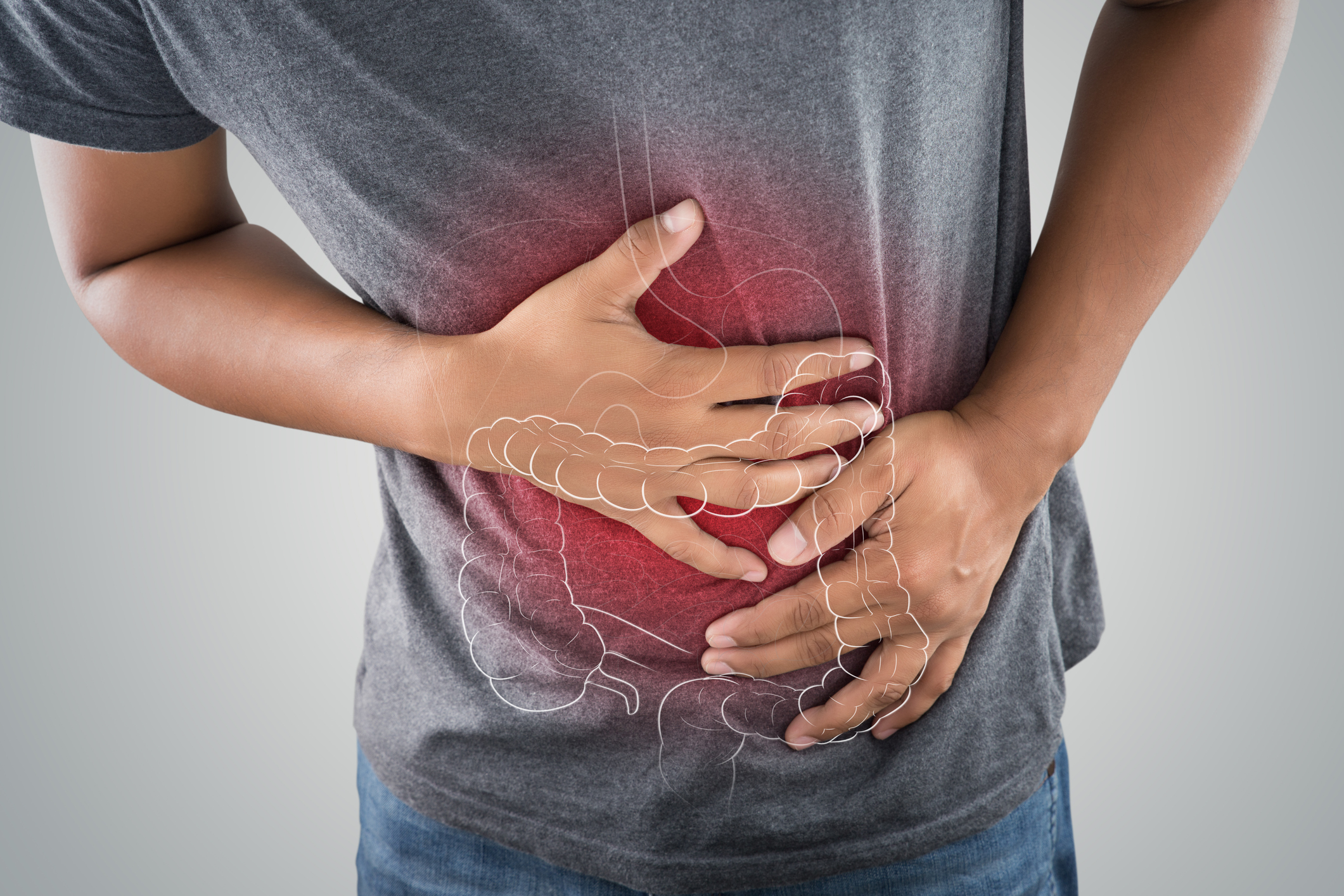
Have you ever swallowed and had food “go down the wrong way”? For an estimated 40% of adults over the age of 65, dysphagia makes this a daily possibility. Dysphagia is defined as difficulty with or inability to swallow1. Causes can include obstruction, nerve and muscle problems, stroke, trauma, medications, and poor dentition to name a few. Dysphagia can have a dramatic impact on an older person’s nutritional status, resulting in malnutrition, unintended weight loss, nutrient deficiencies, and dehydration. It can also result in aspiration pneumonia.
Dysphagia can be classified as1,2:
- Oropharyngeal: difficulty with or inability to move a bolus safely and effectively from the oral cavity to the esophagus
- Esophageal: malfunction of the esophagus such as esophageal dysmotility, structural blockage, stenosis or strictures due to gastro-esophageal reflux disease (GERD).
Warning Signs
Dysphagia sometimes goes undetected because the signs and symptoms may be confused with other conditions. Warning signs include the following1:
- Coughing, gagging, choking, weak cough, frequent throat clearing or hoarse voice
- Poor control of head, mouth or tongue
- Difficulty chewing, moving food around or pocketing food in the mouth
- Delayed or absent swallow reflex
- Complaints of food sticking in the throat
- Heartburn or acid reflux
Screening and Diagnosis
The EAT-10: A Swallowing Screening Tool can be used for dysphagia screening, and a bedside swallow evaluation may be completed to determine need for further testing. Tests used to diagnose dysphagia include a fiber-optic endoscopic evaluation procedure (FEES test) or video fluoroscopic swallowing study.
Treatment
Treatment is led by a speech-language pathologist. Goals include promoting a safe swallow to reduce risk of choking and/or aspiration, maintaining good nutritional status and adequate hydration, facilitating independent eating, and enhancing the enjoyment of eating and quality of life. Treatment strategies should be individualized and might include:
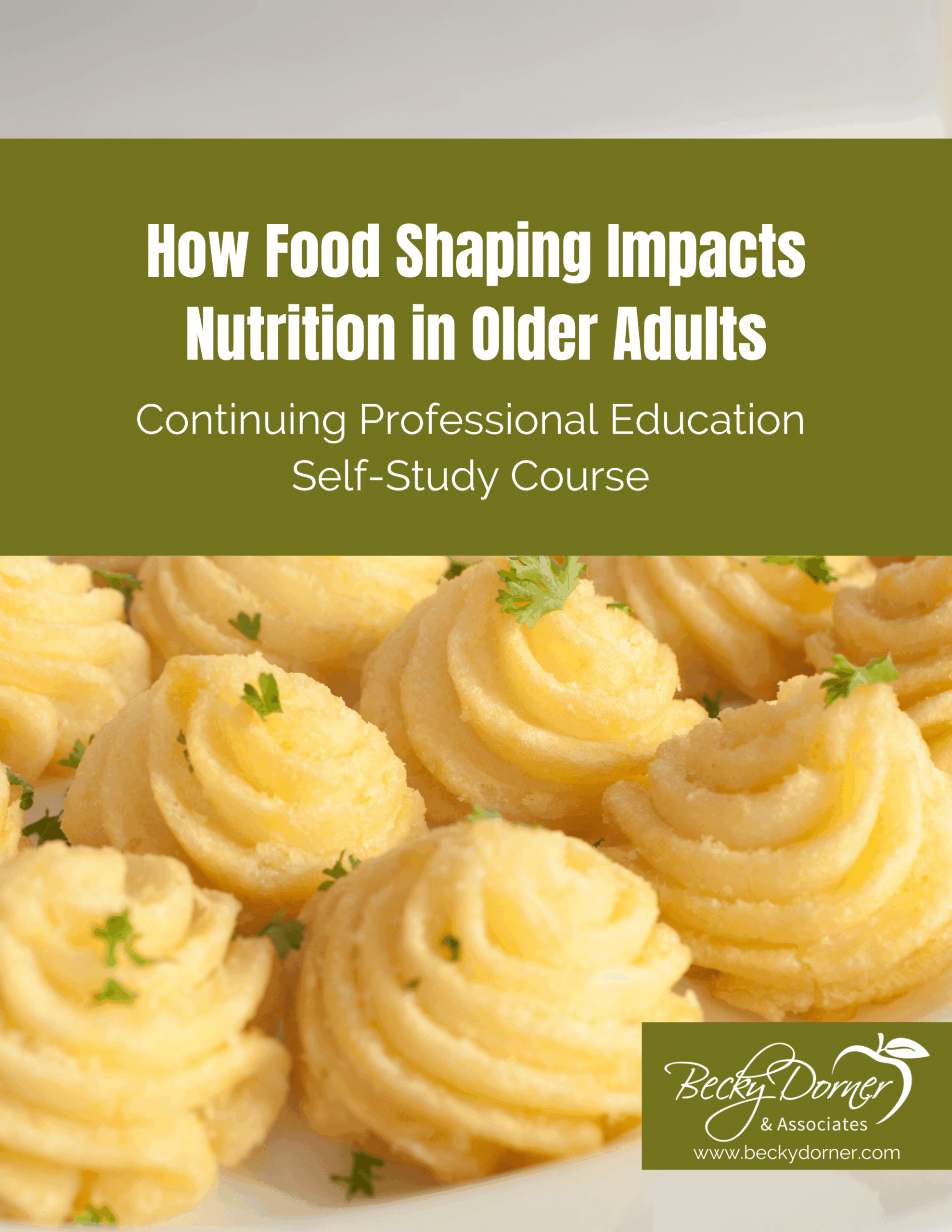
- Alterations in food texture and/or fluid consistencies using International Dysphagia Diet Standards Initiative (IDDSI) guidelines (iddsi.org)
- Swallowing exercises and techniques to improve ability to gather food particles together
- Thermal stimulation
- Changes in food/fluid temperature
- Good oral care to reduce risk of aspiration pneumonia3,4
- Alternating sips of liquid with food
- Proper positioning to ease swallowing
- Adaptive equipment such as modified cups or straws
Why are texture -modified foods and/or thickened liquids usually recommended to treat dysphagia and prevent aspiration pneumonia? Cohesive foods tend to be easier to control in the mouth and easier to swallow, and thickening liquids slows the time it takes for the fluid to move through the mouth and esophagus and allows better control of the swallow5.
Controversies in Dysphagia Management
Considerable disagreement exists in the literature regarding the efficacy of modification in food textures and fluid consistencies for dysphagia treatment. Many studies point to the need for more research into the subject. Currently, food texture and fluid consistency modifications as outlined by ISSDI are the standard of care, but controversies remain.
That being said, many experts believe that evidence does not support diet modification for reducing aspiration pneumonia6-10. A 2018 Cochrane review concluded that the quality of evidence supporting thickened liquids in patients with dementia is lacking10. Swallowing abnormalities are common in older adults but do not necessarily require modified diet and fluid textures, especially if these restrictions adversely affect food and fluid intake1,11. And despite recommendations otherwise, some individuals request regular food and/or liquids, often because they enjoy regular foods and liquids and value quality of life that may not supported by texture and fluid modifications.
Developing a Plan of Care
The interdisciplinary team, including the RDN and SLP, should individualize the plan of care for each patient, considering their diagnosis, comorbidities, and personal preferences. In long-term care facilities, all decisions should defer to the person (and/or family). A discussion of the risks and benefits of an IDDSI diet is critical. If the recommended treatment is refused, the facility should document that education was provided and request an adjustment of the physician’s orders to honor informed choice.
For More Information on Dysphagia
- Becky Dorner & Associates Diet and Nutrition Care Manual
- International Dysphagia Diet Standardisation Initiative
References
- Dorner B. Diet and Nutrition Care Manual: A Comprehensive Nutrition Care Guide. Dunedin FL: Becky Dorner & Associates; 2021.
- Dysphagia. In: Escott-Stump S. Nutrition and Diagnosis-Related Care. Ninth edition. Chicago IL: Academy of Nutrition and Dietetics; 2022:512.
- Tada A, Miura H, Prevention of aspiration pneumonia (AP) with oral care. Archives of Gerontology and Geriatrics. 2011; 55:16-21.
- van der Maarel-Wierink CD, Vanobbergen JNO. Bronkhorst EM, Schols JMGA, de Batt C. Oral health care and aspiration pneumonia in frail older people: a systematic literature review. Gerontology. 2013;30:3-9.
- Steele CM, Alsanei WA, Ayanikalath S et al. The influence of food texture and liquid consistency modification on swallowing physiology and function: a systematic review. Dysphagia. 2015; (30:2-26
- Thomas DR. Hard to Swallow: Management of dysphagia in nursing home residents. JAMDA. 2008 Sep;9(7):455-8. doi:10.1016/j.jamda.2008.06.009.
- Campbell-Taylor I. Oropharyngeal dysphagia in long-term care: misperceptions of treatment efficacy. JAMDA. 2008; 9(7):523-531.
- Loeb MB, Becker M, Easy A. Walker-Dilks C. Interventions to prevent aspiration pneumonia in older adults: a systematic review. J Am Geriat Soc. 2003;51(7):1018-22.
- Painter V, Le Couneur L, Waite LM. Texture-modified food and fluids in dementia and residential aged care facilities. Clin Interv Aging. 2017 August 2;12:1193-1203. doi:10.2147/CIA.S140581.
- Flynn E. Smith CH, Walsh CD, Walshe M. Modifying the consistency of food and fluids for swallowing difficulties in dementia (Review). Cochrane Database of Systematic Reviews. 2018, Issue 9. Art. No: CD011077. doi:10.1002/14651858.CD011077.pub2.
- New Dining Practice Standards. Pioneer Network Food and Dining Clinical Standards Task Force. 2011. https://www.pioneernetwork.net/wp-content/uploads/2016/10/The-New-Dining-Practice-Standards.pdf. Accessed April 27, 2022.
Revised May 10, 2022. Originally posted March 2016.

















Becky thank you for this wonderful article it is very extensive. It points out the difficult side effects of dysphasia and all the trickle down consequences. I see this in my business a lot – the refusal of liquids and food is critical to healing health and hydration. Enhanced patient intake, hydration, and nutritional support and aspiration prevention is what we all are after as a desired outcome.
Thank you
Nancy Yezzi RD, LD